
Cataract Lens Lawyers of HLF

A Division of The Hurwitz Law Firm PC ยท Bausch + Lomb enVista Attorneys

Need a cataract lens lawyer?
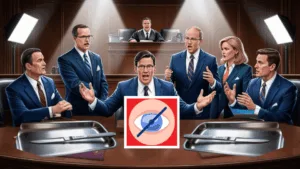
Cataract lawyers show eye lens implant and surgical scalpe ls to judge.

Call Now: (888) 510-9251

Hotline Open 24 Hours

Our cataract lawyers file enVista lens lawsuits for eye injuries and corrective surgery. EnVista lawsuits claim Bausch + Lomb failed to protect patients from the risk of harm.

As such, cataract patients who received an enVista lens implant may be eligible to claim a cash settlement.


Cataract Lawyers Advocate for enVista Intraocular Lense (IOL) Victims

Our team of cataract attorneys has represented thousands of victims of dangerous medical implants products. In doing so, we have recovered millions of dollars in settlement funds on their behalf.

However, we only pursue compensation from cataract lens manufacturers and affiliates, and do not file claims against our clients’ doctors, hospitals, or caregivers.

No Legal Fee Unless You Obtain a Settlement

While compensation may be available to qualified cataract claimants, victims are urged to act promptly. The #1 claim cataract lens victims can make for surgery compensation is one filed within the Statute of Limitations. Follow this link for our latest information on cataract lens multi-district litigation (MDL).

Our enVista lens lawyers are available to review claims now. We offer a free case evaluation to confirm use of an enVista lens and related complications. Further, we never charge a legal fee unless a financial recovery is obtained for our client.

Contact our enVista cataract lens lawyers today.


๐Ÿ‘๏ธ enVista Lens Lawsuits Frequently Asked Questions (FAQ)

For patients, families, and professionals seeking truth about the 2025 enVista intraocular lens recall.

๐Ÿ‘“ Part 1 โ€“ The Device & The Recall

Explains the device, manufacturer, recall history, and underlying science.
๐Ÿ”ฌ 1. What is the enVista intraocular lens?
๐Ÿ’ก 2. How does cataract surgery use this lens?
๐Ÿข 3. Who manufactures the enVista platform?
๐Ÿ“ฆ 4. What models were affected by the recall?
๐Ÿšจ 5. Why did Bausch + Lomb recall these products?
๐Ÿ’ฅ 6. What is Toxic Anterior Segment Syndrome (TASS)?
โš—๏ธ 7. How did contaminated material cause inflammation?
โš ๏ธ 8. What is a Class I recall?
๐Ÿ“Š 9. How common are recalls of eye implants?
๐Ÿ›๏ธ 10. How did regulators respond to the enVista problem?

โš•๏ธ Part 2 โ€“ Medical Complications & Symptoms

Details patient injuries, symptoms, diagnostic methods, and clinical recovery.
๐Ÿ’‰ 11. What symptoms did patients report?
๐Ÿ•’ 12. When do complications usually appear?
๐Ÿšจ 13. Can TASS cause blindness?
๐Ÿ”ฌ 14. How do doctors diagnose it?
๐Ÿ’Š 15. What treatments are available?
๐Ÿฉบ 16. Do patients need lens-removal surgery?
๐Ÿ‘๏ธโ€ย 17. What long-term vision problems can develop?
๐Ÿ“‹ 18. How do surgeons identify affected batches?
๐Ÿฉป 19. What follow-up care should patients request?
๐Ÿงช 20. How do ophthalmologists prevent recurrence?

โš–๏ธ Part 3 โ€“ Legal Rights & Liability

Explores duties, evidence, and fault among manufacturers, hospitals, and regulators.
๐Ÿ›๏ธ 21. What legal duties does Bausch + Lomb owe to patients?
โš™๏ธ 22. How does product-liability law apply here?
๐Ÿ“‘ 23. What evidence supports an enVista lens lawsuit?
๐Ÿ‘ฉโ€โš•๏ธ 24. Can I sue if my doctor used a recalled lens unknowingly?
๐Ÿฅ 25. Are hospitals also liable?
๐Ÿ“„ 26. What role do FDA findings play in court?
๐Ÿงฑ 27. What is the difference between design and manufacturing defect?
๐Ÿ‘ฅ 28. Can multiple victims join one lawsuit?
๐Ÿ“š 29. How do class actions differ from individual suits?
๐Ÿ’ฐ 30. What damages can victims pursue?

๐Ÿ’ผ Part 4 โ€“ Filing a Claim & Working with Lawyers

Guides victims through documentation, legal process, and collaboration with counsel.
๐Ÿงพ 31. Who qualifies for an enVista lens lawsuit?
๐Ÿ” 32. How do I confirm if my implant was recalled?
๐Ÿ“‹ 33. What information should I gather before calling a lawyer?
โš–๏ธ 34. What do โ€œenVista lens lawyersโ€ actually do?
๐Ÿ”ฌ 35. How do they prove the lens caused harm?
๐Ÿ’ต 36. How much does it cost to hire one?
โฐ 37. How long does a case take?
๐Ÿ•ฐ๏ธ 38. What deadlines apply?
๐Ÿ“„ 39. What happens after filing?
๐Ÿ›๏ธ 40. Will my case join multidistrict litigation (MDL)?

๐Ÿ’ฐ Part 5 โ€“ Compensation, Outcomes & Prevention

Reviews damages, settlements, medical-safety reforms, and patient-protection strategies.
๐Ÿ’ต 41. What compensation might victims receive?
๐Ÿ“Š 42. How are settlement values determined?
๐Ÿง  43. What factors increase case value?
๐Ÿ”ฌ 44. How do medical experts support lawsuits?
๐Ÿ’” 45. How do lawyers calculate pain and suffering?
โš•๏ธ 46. What if the patient already recovered vision?
๐Ÿฅ 47. How will this recall influence future cataract-surgery safety?
๐Ÿ“ฃ 48. Can victims help others by reporting their cases?
๐Ÿงฉ 49. What lessons does the enVista recall teach about device safety?
๐Ÿ‘๏ธ 50. How can patients protect their eyes and legal rights moving forward?


๐Ÿ‘๏ธ Part 1 โ€“ The Device & The Recall

Understanding the enVista intraocular lens, the recall, and what it means for cataract patients nationwide.


1. What Is the enVista Intraocular Lens?

๐Ÿ”ฌ Purpose and Design

The enVista intraocular lens replaces the natural lens removed during cataract surgery.
It restores light focus on the retina to improve sharpness and contrast.
Hydrophobic acrylic material prevents water absorption and surface haze.
The optic remains clear and stable for years inside the eye.

โš™๏ธ Structure and Function

Two flexible โ€œhapticsโ€ anchor the lens within the capsular bag.
Its single-piece design improves alignment and reduces rotation.
Each model targets different visual needsโ€”monofocal, toric, Aspireโ„ข, or Envyโ„ข.

โš–๏ธ Why It Matters

Intraocular lenses are permanent medical devices.
Any contamination or defect can trigger inflammation, pain, or blindness.
Thatโ€™s why recalls like this one raise serious legal and medical concerns. โš ๏ธ


2. How Does Cataract Surgery Use This Lens?

๐Ÿฅ The Procedure

During cataract surgery, the cloudy lens is removed through a small incision.
Surgeons insert the enVista IOL to replace the natural lens.
It unfolds inside the capsule and positions itself automatically.

๐Ÿ‘๏ธ Expected Outcome

Patients usually regain crisp vision within days.
The lens should stay clear and centered for life.
Any inflammation or blurring after surgery signals a potential complication.

โš•๏ธ Importance of Device Integrity

Every step depends on material purity and manufacturing precision.
When a defect occurs, the body reacts within hours.
That rapid reaction defined the enVista recall crisis. ๐Ÿšจ


3. Who Manufactures the enVista Platform?

๐Ÿ›๏ธ Company Background

Bausch + Lomb designs and sells the enVista platform.
Founded in 1853, the company is one of the worldโ€™s oldest eye-care innovators.
It produces intraocular lenses, surgical equipment, and ophthalmic drugs.

๐Ÿงฉ Product Development

Bausch + Lomb introduced enVista as a premium, scratch-resistant IOL line.
Surgeons valued its smooth edge, clarity, and resistance to glistenings.
Those qualities made it a market leader before the recall.

๐Ÿ˜” Reputation Impact

The 2025 recall shocked ophthalmologists and patients alike.
Even trusted brands can face catastrophic quality failures when suppliers change materials.


4. What Models Were Affected by the Recall?

๐Ÿ“ฆ Scope of the Recall

The 2025 recall covered multiple enVista lenses, including:

  • Aspireโ„ข monofocal lenses

  • Envyโ„ข lenses

  • Standard and toric enVista IOLs

๐Ÿงพ Production Timeline

Affected batches were manufactured between late 2024 and early 2025.
They shared a contaminated raw material from an alternate vendor.

๐Ÿ” Identification and Tracking

Each lens carried a unique lot number and model code.
Surgeons and hospitals verified recall status using those identifiers.
Patients can request their surgical records to confirm implant details.


5. Why Did Bausch + Lomb Recall These Products?

๐Ÿงช Root Cause

Reports of post-surgical inflammation triggered internal testing.
Investigators traced the reactions to chemical residues in the polymer blend.
These toxins leached into the eye and caused severe irritation.

โš•๏ธ Company Response

Bausch + Lomb voluntarily recalled all affected lots.
It notified surgeons, hospitals, and distributors worldwide.
The company implemented new vendor-verification and inspection steps.

โš–๏ธ Regulatory Action

Federal regulators classified the recall as Class I, the highest danger level.
That designation means the device could cause serious injury or vision loss. ๐Ÿšจ


6. What Is Toxic Anterior Segment Syndrome (TASS)?

๐Ÿ”ฌ Medical Definition

TASS is a sterile, toxic inflammation of the front of the eye.
It appears within 12 to 48 hours after surgery.
Unlike infection, it stems from a chemical reaction rather than bacteria.

๐Ÿ‘๏ธ Symptoms

Patients experience redness, cloudy vision, and intense pain.
Swelling of the cornea and iris often follows.
Untreated, TASS can destroy endothelial cells and cause permanent blindness.

๐Ÿ’‰ Treatment Approach

Doctors treat TASS with high-dose corticosteroids and pressure control.
Early detection usually preserves vision, but some cases need surgical revision.


7. How Did Contaminated Material Cause Inflammation?

โš—๏ธ Chemical Mechanism

The vendorโ€™s raw acrylic contained unreacted monomers.
During sterilization, these residual chemicals degraded and released irritants.
Once implanted, they triggered immune-toxic inflammation inside the anterior chamber.

๐Ÿ”ฌ Tissue Reaction

The corneal endothelium and iris absorbed the toxins immediately.
Inflammatory mediators caused swelling, pressure spikes, and light sensitivity.

๐Ÿ’ฅ Resulting Damage

Severe reactions scarred corneal tissue and blurred vision permanently.
This biochemical chain explained the sudden surge of TASS reports.


8. What Is a Class I Recall?

โš ๏ธ Definition

A Class I recall is the FDAโ€™s highest risk level.
It means use of the device may cause serious injury or death.

๐Ÿงญ Why It Matters

Class I recalls require urgent notification to physicians and distributors.
They often lead to federal monitoring and civil litigation.

โš–๏ธ Legal Implication

For plaintiffs, a Class I classification strengthens evidence of defect severity.
It signals that regulators agree the product posed unacceptable danger.


9. How Common Are Recalls of Eye Implants?

๐Ÿ“Š Industry Context

Intraocular lens recalls are rare compared to other medical devices.
Most involve packaging or labeling, not chemical toxicity.

๐Ÿง  Historical Perspective

The enVista recall stands out because it caused real tissue inflammation.
Few ophthalmic products ever reached Class I recall status.

๐Ÿงพ Impact on Professionals

The event forced surgeons to re-evaluate supplier chains and sterilization controls.
It also prompted legal experts to review manufacturer compliance procedures.


10. How Did Regulators Respond to the enVista Problem?

๐Ÿ›๏ธ Federal Oversight

The FDA and international health agencies reviewed the incident immediately.
They monitored adverse-event data and confirmed chemical contamination as the cause.

๐Ÿ“ฃ Public Advisories

Authorities issued alerts to surgeons, clinics, and patients about affected lots.
Health departments tracked recovery outcomes and potential secondary effects.

โš–๏ธ Legal Follow-Up

The regulatory response created a strong evidentiary foundation for lawsuits.
It confirmed that Bausch + Lombโ€™s product defect directly harmed patient safety.


โš•๏ธ Part 2 โ€“ Medical Complications & Symptoms

Understanding how the recalled enVista intraocular lenses harmed patients, what symptoms appear, and how doctors diagnose and treat these complications.


11. What Symptoms Did Patients Report?

๐Ÿ‘๏ธ Early Warning Signs

Patients noticed eye redness, swelling, and blurry or foggy vision soon after surgery.
Some described light sensitivity and pressure behind the eye.
Pain often intensified within 24 hours.

๐Ÿง  Secondary Reactions

Vision became hazy due to corneal edema.
Inflammation spread from the anterior chamber to nearby tissues.
Patients felt burning or gritty sensations that mimicked infection.

โš•๏ธ When to Seek Help

Immediate post-surgical pain or cloudiness requires urgent examination.
Prompt steroid treatment can prevent permanent corneal damage.


12. When Do Complications Usually Appear?

โฑ๏ธ Onset Window

Toxic Anterior Segment Syndrome (TASS) usually develops 12โ€“48 hours after surgery.
Unlike infection, symptoms appear quickly and worsen rapidly.

๐Ÿ”ฌ Biological Process

Toxic chemicals cause endothelial inflammation within hours.
Fluid builds behind the cornea, distorting vision.

๐Ÿฉบ Clinical Observation

Doctors track sudden corneal haze, pupil constriction, and raised eye pressure.
Early detection limits long-term vision loss.


13. Can TASS Cause Blindness?

โš ๏ธ Risk Severity

Yes, untreated TASS can cause permanent blindness.
It destroys the corneal endothelium, the layer that keeps the cornea clear.

๐Ÿ” Mechanism of Vision Loss

Once endothelial cells die, they cannot regenerate.
The cornea swells, light scatters, and vision declines permanently.

๐Ÿ’‰ Intervention Importance

Early steroid and pressure therapy preserves sight in most cases.
Delayed treatment often requires corneal transplant surgery.


14. How Do Doctors Diagnose It?

๐Ÿ”ฌ Clinical Evaluation

Ophthalmologists use slit-lamp microscopy to inspect inflammation.
They look for white blood cell deposits and corneal haze.

๐Ÿงช Diagnostic Tests

Doctors measure intraocular pressure and rule out infection with cultures.
Ultrasound may assess posterior inflammation or retained lens fragments.

โš–๏ธ Differential Diagnosis

TASS mimics endophthalmitis, a bacterial infection.
The main difference: TASS pain starts faster but lacks pus or infection markers.


15. What Treatments Are Available?

๐Ÿ’Š Medical Management

Doctors prescribe high-dose corticosteroids to reduce inflammation.
Topical and oral medications control swelling and pain.

๐Ÿ’‰ Pressure Regulation

If pressure spikes, patients receive eye drops or systemic agents.
Uncontrolled pressure can trigger glaucoma-like damage.

๐Ÿ”„ Surgical Options

Severe cases may need lens removal or corneal transplant.
Prompt therapy reduces this risk dramatically. ๐Ÿ‘๏ธโ€๐Ÿ—จ๏ธ


16. Do Patients Need Lens Removal Surgery?

โš•๏ธ Case-by-Case Decision

Most patients recover without lens removal.
However, persistent inflammation or chemical residue may require explantation.

๐Ÿ”ฌ Surgical Removal

Surgeons extract the implant through a micro-incision.
They then clean the anterior chamber and replace it with a biocompatible lens.

๐Ÿ’ก Recovery Outlook

If performed early, patients often regain most lost vision.
Late removal can leave permanent corneal scarring.


17. What Long-Term Vision Problems Can Develop?

๐Ÿ‘๏ธ Structural Damage

Untreated TASS damages endothelial cells and lens capsule membranes.
That leads to chronic corneal edema and visual distortion.

๐Ÿง  Functional Impairment

Patients may experience glare, halos, or light scatter at night.
Severe scarring can reduce contrast and depth perception.

๐Ÿฉบ Psychological Effects

Long-term vision loss causes anxiety and fear of repeat surgery.
Some patients report depression or diminished quality of life. ๐Ÿ’”


18. How Do Surgeons Identify Affected Batches?

๐Ÿ” Implant Records

Every intraocular lens carries a unique serial and lot number.
Hospitals maintain surgical logs with device information.

๐Ÿงพ Recall Verification

Surgeons cross-check those numbers against recall lists provided by Bausch + Lomb.
Patients can request a copy of their implant record from the surgery center.

๐Ÿฅ Documentation Importance

Precise lot confirmation strengthens both medical monitoring and legal claims.
It links specific injuries to recalled devices.


19. What Follow-Up Care Should Patients Request?

๐Ÿฉบ Regular Monitoring

Patients should schedule frequent post-surgical checkups for at least six months.
Eye pressure and corneal clarity must stay stable.

๐Ÿ‘๏ธ Diagnostic Imaging

Doctors may perform optical coherence tomography to monitor the cornea.
It detects swelling before vision loss occurs.

๐Ÿ’ฌ Communication with Providers

Patients should report pain, haze, or color changes immediately.
Clear documentation ensures early intervention and supports future claims.


20. How Do Ophthalmologists Prevent Recurrence?

๐Ÿงผ Surgical Sterilization

Clinics now follow stricter cleaning protocols for surgical tools.
Single-use items reduce contamination risks.

๐Ÿงช Material Verification

Manufacturers test every raw polymer batch for purity and chemical stability.
They confirm supplier integrity before production begins.

โš–๏ธ Regulatory Oversight

Regulators monitor device reports more closely since the enVista recall.
These safeguards help protect future cataract patients from toxic exposure. ๐Ÿ”’


โš–๏ธ Part 3 โ€“ Legal Rights & Liability

Exploring the legal duties, evidence, and liability principles behind the Bausch + Lomb enVista lens recall lawsuits.


21. What Legal Duties Does Bausch + Lomb Owe to Patients?

๐Ÿงพ Manufacturerโ€™s Duty of Care

Bausch + Lomb must design, test, and manufacture safe medical devices.
They must verify material purity and ensure product consistency.
Each lens must meet FDA-approved performance standards.

โš–๏ธ Disclosure and Warning Obligations

The company must warn surgeons and patients about foreseeable risks.
Failure to disclose hazards violates both federal law and ethical duty.

๐Ÿฉบ Impact of Breach

When that duty fails, patients suffer real harmโ€”eye inflammation, pain, and loss of vision.
Such breaches create grounds for product-liability claims.


22. How Does Product Liability Law Apply Here?

โš™๏ธ Core Legal Theory

Product-liability law holds manufacturers responsible for unsafe products.
Plaintiffs must show the lens was defective and caused injury.

๐Ÿงฉ Types of Defects

  1. Design defect โ€“ the productโ€™s concept makes it dangerous.

  2. Manufacturing defect โ€“ contamination or process error created a hazard.

  3. Failure to warn โ€“ the company omitted known risks.

๐Ÿ’ผ Outcome Significance

Proving any defect type can justify compensation for medical costs and suffering.


23. What Evidence Supports an enVista Lens Lawsuit?

๐Ÿ“‹ Medical Documentation

Patients must present surgical records, implant numbers, and complication notes.
These link the injury directly to the recalled batch.

๐Ÿ”ฌ Expert Analysis

Ophthalmologists and biomedical engineers verify how the defect caused harm.
Their testimony establishes causation under medical-device law.

๐Ÿงพ Regulatory Proof

FDA Class I recall documents and manufacturer bulletins confirm the productโ€™s danger.
This evidence strengthens the plaintiffโ€™s claim.


24. Can I Sue if My Doctor Used a Recalled Lens Unknowingly?

๐Ÿง  Manufacturer Liability

Yes. The manufacturer remains primarily liable for the defect itself.
The surgeonโ€™s lack of awareness does not absolve Bausch + Lomb.

๐Ÿง‘โ€โš•๏ธ Shared Responsibility

If the doctor failed to follow recall notices or warnings, partial liability may apply.
Courts evaluate both medical and corporate conduct.

โš–๏ธ Patient Protection

The law prioritizes patient safety.
Victims may recover damages even when surgeons acted in good faith. ๐Ÿ‘๏ธ


25. Are Hospitals Also Liable?

๐Ÿฅ Facility Accountability

Hospitals must track medical-device recalls and remove affected inventory.
Failure to comply can constitute negligence.

๐Ÿงพ Chain of Custody

If a recalled lens remained available for surgery, the facility breached its duty of care.
That failure may create joint liability with the manufacturer.

๐Ÿ’ฌ Practical Impact

Multiple defendants increase recovery options and settlement leverage. ๐Ÿ’ฐ


26. What Role Do FDA Findings Play in Court?

๐Ÿ›๏ธ Regulatory Authority

FDA findings provide objective proof of defect existence and severity.
Courts treat these documents as strong evidence of product risk.

๐Ÿงพ Supporting Evidence

Plaintiffs often attach FDA recall records, safety bulletins, and adverse-event data.
These establish notice and causation.

โš–๏ธ Legal Advantage

A Class I recall designation dramatically strengthens a plaintiffโ€™s case.
It shows regulators confirmed the danger independently. ๐Ÿšจ


27. What Is the Difference Between Design and Manufacturing Defect?

๐Ÿงฑ Design Defect

A design defect exists when every lens built to plan remains unsafe.
If the material choice or geometry is hazardous, design fault applies.

โš—๏ธ Manufacturing Defect

A manufacturing defect occurs when production errors contaminate or alter one batch.
Thatโ€™s what happened in the enVista recall.

๐Ÿงฉ Legal Relevance

Understanding which defect type applies helps lawyers build stronger evidence models.


28. Can Multiple Victims Join One Lawsuit?

๐Ÿ‘ฅ Consolidated Actions

Yes. Courts often combine similar claims into a coordinated proceeding.
This saves time and ensures consistent rulings.

โš–๏ธ Multidistrict Litigation (MDL)

If many victims file nationwide, federal courts may create an MDL.
It centralizes discovery and expert testimony.

๐Ÿ’ฌ Individual Outcomes

Each claimant still receives an individual evaluation for damages.
Consolidation improves efficiency but preserves fairness.


29. How Do Class Actions Differ from Individual Suits?

๐Ÿงพ Class Action Basics

A class action represents all affected patients collectively.
One or more plaintiffs act for everyone with similar harm.

๐Ÿง‘โ€โš–๏ธ Individual Lawsuit

An individual claim addresses one patientโ€™s specific injury and medical records.
It usually seeks higher compensation but requires more documentation.

๐Ÿ’ก Choosing a Path

Lawyers advise based on injury severity and litigation strategy.
Both approaches hold Bausch + Lomb accountable for the defect. โš–๏ธ


30. What Damages Can Victims Pursue?

๐Ÿ’ฐ Economic Damages

Victims can recover medical expenses, surgery costs, and lost income.
Future treatments and rehabilitation expenses also qualify.

โค๏ธ Non-Economic Damages

Pain, emotional distress, and loss of quality of life form the second category.
Vision loss impacts daily living and mental health.

โš–๏ธ Punitive Damages

If courts find gross negligence or reckless conduct, they may award punitive damages.
These penalize corporate misconduct and deter future violations. ๐Ÿšจ


๐Ÿ’ผ Part 4 โ€“ Filing a Claim & Working With Lawyers

Your complete guide to qualifying, documenting, and pursuing compensation in an enVista intraocular lens lawsuit.


31. Who Qualifies for an enVista Lens Lawsuit?

๐Ÿงพ Eligibility Requirements

Patients qualify if they received a recalled enVista intraocular lens.
They must also show eye inflammation, TASS, or lasting vision problems.

โš•๏ธ Confirmed Medical Impact

Medical records should verify that symptoms began shortly after surgery.
Corneal edema, pain, and visual haze are key indicators.

โš–๏ธ Legal Standing

Victims can file individually or join consolidated litigation.
Proof of implant lot number strengthens every claim.


32. How Do I Confirm If My Implant Was Recalled?

๐Ÿ” Requesting Records

Ask your ophthalmologist or surgical center for your operative report.
It lists the lens model, serial number, and lot number.

๐Ÿงพ Cross-Checking Lots

Compare your implant data to the 2025 Bausch + Lomb recall notice.
Recalled models include enVista Aspireโ„ข, Envyโ„ข, and toric variants.

๐Ÿ’ฌ Legal Help

An enVista lens lawyer can verify recall status during your consultation.
They use manufacturer bulletins and FDA data to confirm eligibility.


33. What Information Should I Gather Before Calling a Lawyer?

๐Ÿ“‹ Essential Documentation

Bring surgical records, implant identification, and post-operative notes.
Include any hospital discharge summaries or pharmacy receipts.

๐Ÿ’Š Medical History

List all follow-up appointments and treatments for inflammation or pain.
Document prescriptions and vision changes since surgery.

๐Ÿ’ฌ Personal Notes

Write a timeline describing symptoms and communication with doctors.
Detailed notes help lawyers connect cause and effect. ๐Ÿง 


34. What Do โ€œenVista Lens Lawyersโ€ Actually Do?

โš–๏ธ Legal Investigation

They analyze whether the recalled device caused your injury.
They review medical records, product data, and recall documentation.

๐Ÿงฉ Case Building

Lawyers obtain expert opinions from ophthalmologists and toxicologists.
They prove chemical contamination directly harmed your eye.

๐Ÿ’ฐ Negotiation & Representation

They handle manufacturer communication and negotiate settlements.
If needed, they litigate in state or federal court.


35. How Do They Prove the Lens Caused Harm?

๐Ÿ”ฌ Medical Causation

Experts link symptoms like TASS to contaminated polymer materials.
They rule out surgical error or unrelated eye disease.

๐Ÿ“ˆ Evidence Chain

Lawyers align recall notices, batch records, and your procedure date.
This chain of evidence demonstrates direct causation.

โš–๏ธ Burden of Proof

They must show the lens was defective and injury resulted.
Strong medical documentation usually meets that standard.


36. How Much Does It Cost to Hire One?

๐Ÿ’ต Contingency Fee Model

Most enVista lens lawyers work on contingency.
You pay nothing upfrontโ€”fees come only if they win.

๐Ÿ’ผ Typical Percentages

Fees often range from 30% to 40% of recovered compensation.
This covers legal research, filings, and expert witnesses.

๐Ÿ’ฌ Client Protection

Reputable law firms provide clear contracts explaining all costs.
You control every decision before settlement acceptance.


37. How Long Does a Case Take?

๐Ÿ•ฐ๏ธ Early Investigation

Lawyers gather records and expert opinions for several months.
This stage ensures solid proof before filing.

โš–๏ธ Court Timelines

Once filed, cases can last one to three years depending on complexity.
If consolidated into MDL, discovery and negotiation extend duration.

๐Ÿ“… Patience and Updates

Law firms provide periodic updates as litigation progresses.
Regular communication helps manage client expectations.


38. What Deadlines Apply?

โณ Statute of Limitations

Every state limits how long you can file a product-liability lawsuit.
Typical periods range from one to three years after injury discovery.

๐Ÿ“… Discovery Rule

The clock starts when you first learn the lens caused harm.
Medical diagnosis often marks that date.

โš–๏ธ Legal Urgency

Delaying consultation risks losing the right to recover damages.
Early filing preserves all legal options.


39. What Happens After Filing?

๐Ÿงพ Discovery Phase

Both sides exchange documents, medical records, and expert reports.
Depositions clarify what happened during manufacturing and surgery.

๐Ÿ’ฌ Negotiations

Lawyers explore settlement with Bausch + Lombโ€™s defense counsel.
If talks fail, the case proceeds toward trial.

๐Ÿ›๏ธ Trial or Resolution

Judges or juries decide liability and compensation.
Some cases settle quickly; others shape national precedent.


40. Will My Case Join Multidistrict Litigation (MDL)?

โš–๏ธ Understanding MDL

MDL consolidates many similar cases into one federal court.
It streamlines discovery, evidence exchange, and expert testimony.

๐Ÿงญ Potential for enVista Cases

If large numbers of patients file nationwide, MDL formation is likely.
This structure reduces cost and avoids inconsistent rulings.

๐Ÿ’ฌ Individual Resolution

Even within MDL, each plaintiff keeps an individual claim.
You still receive your own settlement or verdict. ๐Ÿ’ฐ


๐Ÿ’ฐ Part 5 โ€“ Compensation, Outcomes & Prevention

Learn what damages victims may claim, how settlements work, and what lessons this recall teaches future cataract patients.


41. What Compensation Might Victims Receive?

๐Ÿ’ต Economic Damages

Victims can recover medical bills, revision surgeries, and therapy costs.
Future care for corneal damage or glaucoma also qualifies.

โค๏ธ Non-Economic Damages

Compensation covers pain, anxiety, and lost quality of life.
Vision loss can deeply affect independence and emotional health.

โš–๏ธ Punitive Damages

Courts may award punitive damages if Bausch + Lomb acted recklessly.
These punish negligence and deter future safety lapses. ๐Ÿšจ


42. How Are Settlement Values Determined?

๐Ÿ“Š Factors of Valuation

Severity of injury and permanence of vision loss drive compensation.
Confirmed recall linkage adds credibility and settlement value.

๐Ÿ’ฌ Case Documentation

Detailed medical records, expert reports, and loss statements matter most.
Stronger evidence leads to higher negotiations.

โš–๏ธ Comparative Precedent

Lawyers study outcomes from past implant-recall cases.
Those benchmarks guide settlement expectations. ๐Ÿ“ˆ


43. What Factors Increase Case Value?

๐Ÿง  Medical Severity

Permanent corneal damage or blindness commands higher recovery.
Temporary irritation yields smaller awards.

๐Ÿ“‹ Proof Strength

Clear documentation and confirmed lot numbers strengthen every claim.
Causation evidence makes negotiation faster.

โš•๏ธ Long-Term Impact

Patients needing lifelong treatment or transplant surgery receive higher damages.


44. How Do Medical Experts Support Lawsuits?

๐Ÿ”ฌ Expert Evaluation

Ophthalmologists explain how toxins from the lens caused injury.
They rule out unrelated surgical complications.

๐Ÿงช Forensic Analysis

Engineers test lens materials to confirm chemical contamination.
Lab reports provide objective causation evidence.

โš–๏ธ Courtroom Role

Experts testify about safety standards and FDA compliance.
Their opinions often decide verdict outcomes. ๐Ÿ‘ฉโ€โš–๏ธ


45. How Do Lawyers Calculate Pain and Suffering?

๐Ÿ’” Subjective Assessment

Attorneys assess emotional distress through patient interviews and journals.
Vision loss affects daily life, work, and personal confidence.

๐Ÿ’ฐ Multiplier Method

They multiply economic losses by a factor reflecting suffering intensity.
Greater disability equals higher multiplier.

๐Ÿงพ Evidence Support

Statements from relatives, coworkers, and therapists reinforce emotional claims.


46. What If the Patient Already Recovered Vision?

โš•๏ธ Physical Recovery

Even recovered patients may claim damages for pain, fear, and downtime.
Temporary blindness still counts as harm.

๐Ÿ“… Economic Loss

Missed work and medical expenses remain compensable.

๐Ÿ’ฌ Residual Risk

Recalled lenses can cause delayed inflammation.
Monitoring costs and emotional stress add future value. ๐Ÿ‘๏ธโ€๐Ÿ—จ๏ธ


47. How Will This Recall Influence Future Cataract Surgery Safety?

๐Ÿฅ Industry Reforms

Manufacturers now enforce stricter vendor and polymer audits.
Suppliers undergo multi-step certification before approval.

๐Ÿงช Scientific Improvements

Biocompatibility testing now includes expanded chemical-residue screening.
New lenses face tougher stability standards.

โš–๏ธ Legal Pressure

This litigation reminds the industry that patient safety outweighs profit. ๐Ÿ’ก


48. Can Victims Help Others by Reporting Their Cases?

๐Ÿ“ฃ Public Health Impact

Reporting adverse events alerts regulators to device risks sooner.

๐Ÿงพ Data Collection

FDA and ophthalmic registries track these reports to identify trends.
More reports equal stronger regulatory action.

๐Ÿ’ฌ Community Support

Victims sharing stories educate others about recall awareness and patient rights. ๐Ÿค


49. What Lessons Does the enVista Recall Teach About Device Safety?

๐Ÿง  Transparency Matters

Even respected brands can fail when supplier oversight lapses.
Full disclosure prevents delayed response to harm.

โš™๏ธ Quality Control

Every production stage must include chemical integrity checks.
Ignoring minor deviations can cause catastrophic outcomes.

โš–๏ธ Legal Accountability

Courts and consumers ensure safety through pressure and litigation.
Accountability drives improvement across the entire industry. ๐Ÿ›๏ธ


50. How Can Patients Protect Their Eyes and Legal Rights Moving Forward?

๐Ÿ‘๏ธ Stay Informed

Ask for the model and lot number of any implanted device.
Keep all surgical documentation in personal files.

โš•๏ธ Monitor Vision

Report haze, redness, or discomfort immediately.
Early treatment prevents permanent injury.

โš–๏ธ Consult Qualified Counsel

If complications arise, contact an experienced enVista lens lawyer or Bausch + Lomb cataract lawyer.
They guide patients through claims and help protect legal rights. ๐Ÿ’ผ


๐ŸŒŸ Final Thoughts

The enVista lens recall revealed how fast a trusted product can endanger sight.
Victims deserve clarity, care, and compensation.
Ongoing legal action pushes manufacturers toward safer standards worldwide.

Protect your eyes. Protect your rights. Seek help early, act decisively, and never accept unclear answers. ๐Ÿ‘๏ธโš–๏ธ๐Ÿ’ช


Contact our cataract lawyers for a free case review.